
 EN
EN


In industrial fastening systems, productivity is often analyzed at the macro level—tool speed, automation level, or operator efficiency. However, one of the most overlooked factors lies at the micro level: the interface between the driver and the fastener.
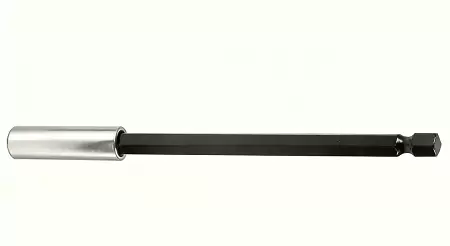
The magnetic bit holder serves as this interface, directly affecting cycle time, tool wear, and fastening consistency. In high-throughput environments, optimizing this component can yield measurable gains in efficiency and cost reduction.
This article explores how magnetic bit holders influence production performance, with a focus on lifecycle optimization and integration into modern assembly systems.
Cycle Time Optimization: Reducing Micro-Delays
In repetitive fastening operations, even fractions of a second matter. A poorly designed magnetic bit holder can introduce micro-delays through:
- Bit slippage
- Difficult bit insertion/removal
- Misalignment requiring repositioning
High-quality holders minimize these inefficiencies by providing consistent magnetic retention and smooth engagement.
In automated systems, stable bit positioning reduces error rates and eliminates the need for corrective actions, directly improving throughput.
Tool Life Extension: Protecting Bits and Drivers
Magnetic bit holders play a critical role in extending the lifespan of screwdriver bits.
Excessive runout or poor alignment increases stress concentration on the bit, leading to premature wear or breakage. Similarly, inconsistent torque transfer can damage both the bit and the fastener.
Precision-engineered holders distribute load evenly, reducing localized stress and extending tool life.
For operations using high-cost specialty bits, this can result in significant cost savings.
Vibration and Fatigue Resistance
In applications involving power tools or automated systems, vibration is a constant factor.
Over time, vibration can cause:
- Bit loosening
- Magnetic degradation
- Structural fatigue
High-quality magnetic bit holders are designed to withstand these conditions through robust material selection and optimized internal structure.
Cold-forged components, as used by Shangfeng Machinery, offer improved fatigue resistance compared to machined alternatives.
Ergonomics and Operator Efficiency
In manual assembly environments, ergonomics directly impact productivity.
Magnetic bit holders reduce operator effort by:
- Allowing one-handed operation
- Minimizing dropped screws
- Simplifying bit changes
These improvements may seem minor individually but accumulate significantly over extended shifts.
Reducing operator fatigue also contributes to lower error rates and improved overall quality.
Surface Treatment and Corrosion Resistance
Surface treatment is often overlooked but plays a critical role in durability.
Common treatments include:
- Black oxide coating
- Phosphate coating
- Nickel plating
These treatments enhance corrosion resistance and reduce friction during operation.
In environments with high humidity or exposure to chemicals, proper surface treatment prevents premature degradation.
Standardization and Global Compatibility
For multinational operations, standardization is essential.
Magnetic bit holders must comply with international standards such as DIN and ANSI to ensure compatibility with global tooling systems.
This reduces procurement complexity and ensures consistent performance across different production sites.
Shangfeng Machinery’s adherence to these standards enables seamless integration into global supply chains.
Integration with Automated Fastening Systems
As Industry 4.0 adoption increases, magnetic bit holders must support advanced automation systems.
Key requirements include:
- High dimensional accuracy
- Consistent magnetic performance
- Compatibility with robotic end-effectors
In automated environments, even minor inconsistencies can lead to system inefficiencies.
High-quality holders ensure stable operation and reduce maintenance requirements.
Procurement Strategy: Balancing Cost and Performance
From a procurement perspective, magnetic bit holders should be evaluated based on lifecycle performance rather than unit cost.
Key considerations include:
- Expected usage cycles
- Replacement frequency
- Impact on production efficiency
- Compatibility with existing tools
A slightly higher upfront cost can be justified if it results in improved durability and reduced downtime.
Conclusion: Small Component, Measurable Impact
The magnetic bit holder is a small but critical component in fastening systems. Its influence extends beyond basic functionality, affecting productivity, tool life, and system reliability.
For organizations seeking to optimize their assembly processes, investing in high-quality magnetic bit holders is a practical and measurable step.
By focusing on engineering precision, material quality, and application alignment, manufacturers can achieve meaningful improvements in both performance and cost efficiency.